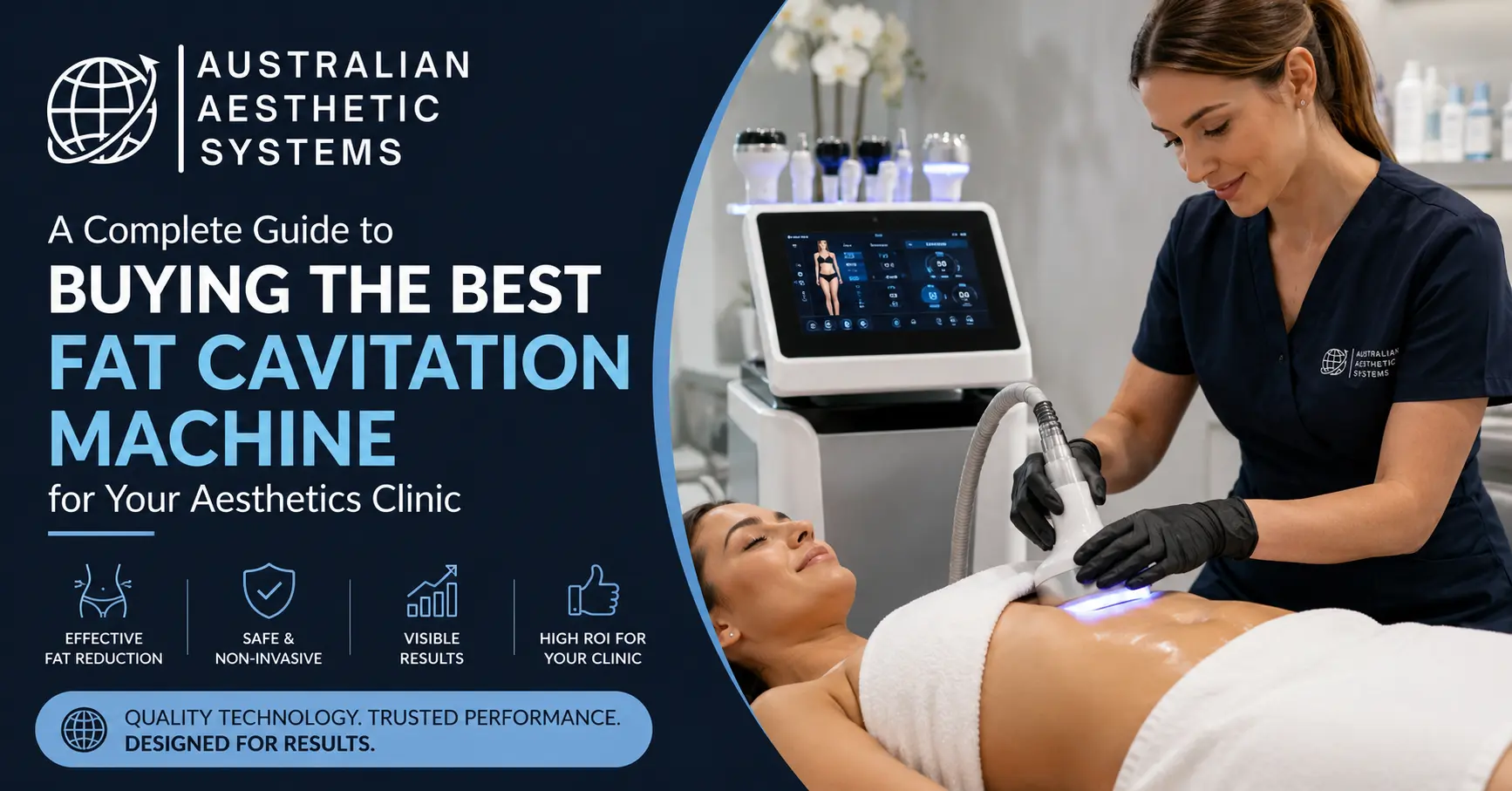
Growing your clinical device set up is basically one of the biggest capital spends you’ll ever make as an aesthetic practitioner. Clients are asking more and more for non-invasive options rather than surgical body shaping or standard facelifts ,so picking the proper technology platform really determines how your clinic performs over the long haul. Still, it’s not just “which machine is cooler” , because the real question is the difference between advanced fat freezing, ultrasound skin lifting, and thermal collagen remodeling, and you need to inspect clinical results , how much space the equipment takes up, and the day to day operating parameters.
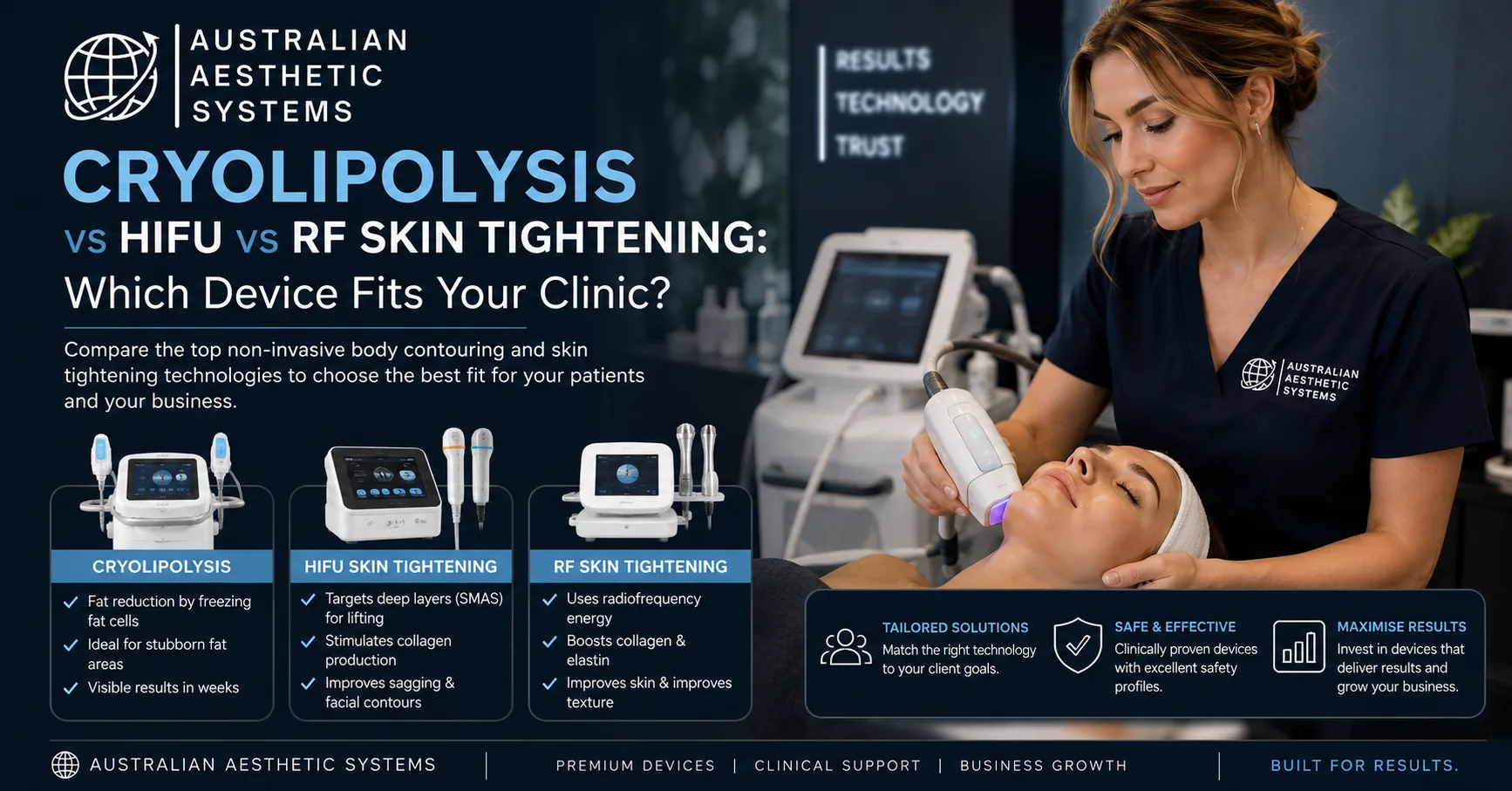
To help you make an informed investment, this comprehensive B2B operational guide compares the industry’s big three modalities: the cryolipolysis machine Australia practitioners rely on for non-surgical fat reduction, the deep-targeting HIFU machine, and the highly versatile RF skin tightening machine. Evaluating these systems against your clinic’s physical layout, budget targets, and client demographics will reveal the ultimate asset for your business.
Cryolipolysis: The Non-Invasive Fat Freezing Benchmark
Cryolipolysis is based on a proven clinical principle known as apoptosis, using carefully controlled sub-zero cooling temperatures. The aim is to target and permanently reduce stubborn subcutaneous fat while leaving the surrounding skin cells and nerve pathways unaffected. The treatment delivers precise, controlled cooling that selectively targets fat cells without damaging nearby tissues. Over a period of six to twelve weeks, the body naturally processes and metabolises the crystallised fat cells through the lymphatic system, resulting in permanent fat reduction within the treated areas.
From a clinical management perspective, a premium cryolipolysis system offers an excellent return on investment due to its largely passive treatment process. Once the clinician applies the gel pad, positions the applicators, and sets the appropriate safety parameters, the machine operates independently for approximately 45 to 60 minutes. This allows the clinician or team member to attend to other revenue-generating treatments or services while the procedure is in progress.
High-Intensity Focused Ultrasound (HIFU): Deep Structural Face and Body Lifting
A HIFU platform kind of bypasses the outer epidermal layers completely, then pushes precise micro focused thermal acoustic energy way down into the subcutaneous layers, and it does that particularly at the Superficial Muscular Aponeurotic System (SMAS). That is the same exact structural tissue layer surgeons typically tighten when they do an invasive operating room facelift. When fractionated thermal coagulation points are formed, the body basically flips on an immediate cellular defense response, which leads to strong new collagen and elastin production over the next three to six months.
HIFU also works like a standout high ticket clinical option because people genuinely enjoy how convenient it feels, and the results tend to stay. Unlike daily, or weekly cosmetic appointments, one full HIFU lifting session can produce pretty noticeable outcomes, like jawline definition, brow elevation, and neck firming, and those effects often hang around for roughly twelve to eighteen months.
Radiofrequency (RF) Skin Tightening: The Ultimate High-Frequency Versatility Workhorse
Radiofrequency technology uses high-frequency electrical currents to generate controlled volumetric thermal resistance within the dermal layers. This heat, instantly makes the current loose collagen fibers contract, and then you get this quick plumping , smoothing kind of effect. Over a slower multi session pathway it also encourages the skin fibroblast cells to start laying down fresh structural proteins, so the whole skin density seems stronger, the fine wrinkles smooth out, and even those cellulite texturing areas look less pronounced.
The true clinical benefit of an RF skin tightening platform is its sheer versatility and absence of season-dependent downtime. It is completely safe to perform on all Fitzpatrick skin phototypes all year round, even during intense summer months when laser services are restricted due to hyperpigmentation risks.
Core Clinical Modality Comparison Matrix
| Operational Parameter | Cryolipolysis Machine | HIFU Machine | RF Skin Tightening Machine |
| Primary Indication | Targeted pocket fat reduction and body contouring. | Deep structural skin lifting and SMAS tightening. | Dermal skin tightening, cell wrinkle smoothing, contouring. |
| Labor Investment | Highly passive. Clinician can leave room after setup. | Active. Demands continuous manual transducer pulsing. | Active. Requires constant gliding handpiece motion. |
| Treatment Pathway | 1 to 2 sessions per targeted pocket zone. | 1 to 2 comprehensive annual maintenance treatments. | 4 to 8 consecutive weekly treatment sessions. |
| Room Footprint | Large console layout. Needs cart space for dual cups. | Compact console or tabletop. Easy to transfer. | Compact tabletop or mid-size tower frame layout. |
| Contraindications | Cryoglobulinemia, cold urticaria, active hernias. | Open wounds, metallic jaw implants, severe cystic acne. | Pacemakers, internal metal plates, active pregnancy. |
Strategic Implementation and Treatment Combination Pathways
Forward-thinking clinical owners understand that you do not necessarily have to restrict your practice to just one single technology. In fact, combining these distinct energy modalities into customised proprietary client packages unlocks incredible outcomes. For example, a premier transformation protocol could involve using your cryolipolysis hardware to debulk a pocket of soft abdominal fat tissue, followed by a series of RF treatments to firm up loose skin over the newly contoured area.
Similarly, combining deep-acting HIFU lines with superficial RF thermal passes allows you to tighten multiple levels of the face, targeting the deepest structural muscle foundations alongside the delicate surface skin layers simultaneously.
Pro Tip: Room ventilation matters across all three device platforms. Cryolipolysis units exhaust warm air as they chill applicator cups, while high-frequency RF consoles require clean environments to prevent internal component dust layer building. Ensure your clinical spaces feature active cross ventilation systems.
Take the Next Step for Your Aesthetic Business
Every aesthetic clinic operates on unique room layouts, treatment room constraints, demographic targets, and localised budgetary targets. Sourcing equipment that features local safety approvals, comprehensive warranty terms, and professional staff development modules is the cornerstone of protecting your medical beauty brand.
If you are ready to identify the precise system setup engineered for your space, we encourage you to connect with our specialist team to secure your clinical consultation form or book recommendation call sessions today on the Australian Aesthetic Systems portal. Explore our comprehensive product category listings, invest in your team’s development via our advanced educational training page, or fast-track your business expansion with an all-inclusive medical starter package kit. Salon groups and medical franchises can also submit a wholesale enquiry form directly to lock in corporate commercial fleet configurations.
Frequently Asked Questions
What are the ongoing consumable costs associated with a cryolipolysis machine?
The primary ongoing consumables for cryolipolysis platforms are anti-freeze gel membrane sheets. These membranes are essential specialised single-use safety barriers designed to protect the client’s skin tissue from surface frostbite during the intense freezing cycle.
Is a license required to operate an RF skin tightening machine in Australia?
Regulatory licensing mandates differ significantly by individual Australian states. While basic radiofrequency systems are usually grouped as non-laser devices, going through accredited clinical training is still highly recommended, so you can handle tissue temperatures safely and also avoid surface burns on the skin.
How long does it take for a clinic to achieve ROI on a professional HIFU platform?
Because HIFU sessions command premium luxury pricing per go, clinics that manage to lock in just two to three dedicated full-face sessions each week often recuperate their starting capital device investment in the first three to six months after clinical launch..